Hydroseeding in Daytona Beach, FL
Hydroseeding, erosion control, and lawn establishment services for Daytona Beach, FL property owners. Daytona's Atlantic coast position means salt spray exposure on near-beach properties and sandy, fast-draining soils thro
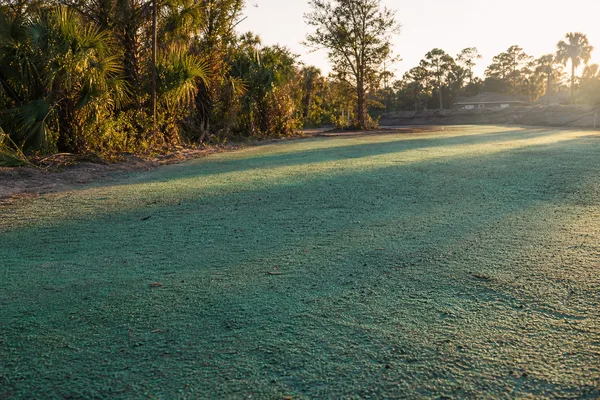
About hydroseeding in Daytona Beach
Daytona's Atlantic coast position means salt spray exposure on near-beach properties and sandy, fast-draining soils throughout most of the city. Hydroseeding is popular for new-construction lots in the planned communities west of I-95 where large lots and slower turn-over make the hydroseed timeline more practical than for in-fill projects.
Local soil and climate
Daytona Beach sits on Florida’s Atlantic coast in southern Volusia County, with the city center on a narrow barrier island and the mainland portion stretching west toward I-95. Soils are predominantly sandy throughout — Atlantic coastal sand on the barrier island and beachfront properties, transitioning to slightly more clay-influenced sandy loam as you move west toward DeLand and the St. Johns River corridor.
Salt exposure is the defining factor for properties on the barrier island and along the Intracoastal Waterway. Properties more than a mile inland generally don’t see meaningful salt stress, but ocean spray and brackish water table can affect species selection on coastal lots.
Climate is humid subtropical with warm winters (mean January low around 50°F) and hot, humid summers. Annual rainfall around 50 inches, concentrated June through September. The Atlantic location makes Daytona Beach an early warning indicator for tropical activity moving up the East Coast — hurricane track planning needs to account for this.
New construction in west Volusia
The strongest hydroseed demand in the Daytona Beach area comes from continued residential development west of I-95:
- Daytona Beach and Port Orange western corridors. Master-planned communities like Latitude Margaritaville and the Halifax Plantation area continue to absorb new homes, with builders increasingly specifying hydroseed for finished-lot landscape.
- Ormond Beach inland subdivisions. Plantation Bay, Hunter’s Ridge, and surrounding developments — established communities with steady infill demand.
- DeLand and Deltona growth corridor. Volusia County’s interior is one of the faster-growing residential areas in Central Florida, with builders relying heavily on hydroseed for production-scale lot finishing.
The west-of-I-95 corridor’s combination of larger lot sizes, lower density, and steady residential growth makes hydroseed economically much more attractive than sod at scale.
Common project profiles
- Barrier island salt-tolerant work. Beach Street, Riverside Drive, and direct-oceanfront properties — salt-tolerant Bermuda blends, seashore paspalum on the highest-exposure properties.
- West Volusia subdivision new construction. Production builders’ standard hydroseed for finished lots.
- Daytona International Speedway adjacent properties and commercial work. Hotels and commercial properties around the speedway require periodic landscape maintenance and renovation.
- New Smyrna Beach and Ponce Inlet smaller lots. Mixed residential renovation work for established neighborhoods.
- Volusia County rural acreage. Property west of I-95 toward Lake County and Seminole County edges, with horse-property and large-acreage work.
Common seed blends for the Daytona area
For most Daytona-area residential work:
- Bermuda dominates, with improved cultivars for premium properties and common Bermuda for budget projects
- Salt-tolerant Bermuda blends for barrier island and Intracoastal-adjacent properties
- Bahia for larger lots in unincorporated Volusia County and rural areas
- Annual ryegrass overseed for the highest-visibility properties wanting winter color
The Atlantic exposure tips species selection toward Bermuda cultivars proven to handle coastal conditions. Centipede performs adequately in protected inland zones but is uncommon on barrier-island properties.
Water management and HOA considerations
Daytona Beach falls within the St. Johns River Water Management District (SJRWMD), with watering restrictions typically allowing two days per week based on house number address.
Master-planned communities in west Volusia often have aggressive HOA landscape requirements — approved species lists, minimum coverage thresholds, and detailed irrigation system specifications. Check HOA documents before commissioning hydroseed work in Plantation Bay, Hunter’s Ridge, or similar developments.
The barrier island portion of Daytona Beach is subject to coastal construction codes that may affect what species and methods are permitted near the dune system.
Tropical weather and scheduling
Daytona Beach’s exposure to Atlantic hurricane tracks makes scheduling around tropical activity particularly important:
- Hurricane season (June–November): monitor National Hurricane Center forecasts before any application; storms tracking up the East Coast can affect Daytona days before they make landfall
- Best application windows: late March through May and mid-October through November
- Storm-surge zones: properties in coastal evacuation zones face elevated risk of salt-water inundation during major storms
Request a Daytona Beach-area quote
For a Daytona Beach-area hydroseed quote with salt-exposure-appropriate species selection (for barrier island and ICW properties), SJRWMD watering planning, and Atlantic-coast tropical-weather scheduling, request a free estimate.
Nearby areas served
- Port Orange
- Ormond Beach
- Holly Hill
- South Daytona
- New Smyrna Beach