Hydroseeding in Gainesville, FL
Hydroseeding, erosion control, and lawn establishment services for Gainesville, FL property owners. Gainesville's red-clay-tinged soils (a holdover from its geographic location near the Northern Highlands) behave very di
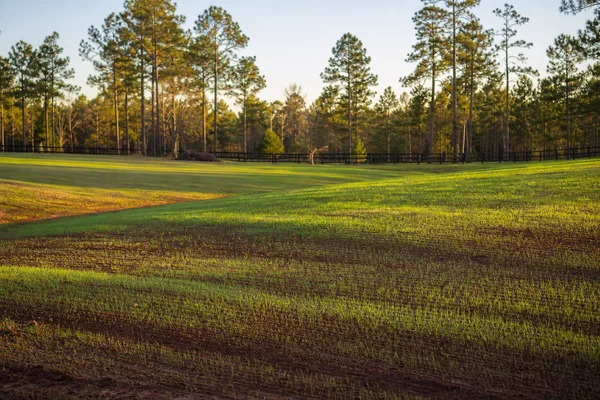
About hydroseeding in Gainesville
Gainesville's red-clay-tinged soils (a holdover from its geographic location near the Northern Highlands) behave very differently from the sandy soils common further south, often requiring more aggressive prep before hydroseeding. The University of Florida's agricultural extension here has decades of data on Bahia and Bermuda performance in this exact soil profile — useful when matching a seed blend.
Local soil and climate
Gainesville sits at the southern edge of the geographic transition zone where Florida’s sandy lowland soils give way to the clay-influenced soils of the Northern Highlands. Unlike most of peninsular Florida, soils across Alachua County frequently include real clay content — particularly in the rolling terrain west of the city and through Newberry, Archer, and toward High Springs. The clay-influenced soils retain moisture and nutrients better than coastal sand but compact more readily under construction traffic and often need mechanical decompaction before hydroseed application.
According to the HydroseedCalculator Gainesville guide, the area sits in USDA hardiness zone 9A with a humid subtropical climate. Summer highs reach the mid-90s°F with annual precipitation around 50 inches, concentrated June through September. Winter brings occasional cool-snap frosts but rarely sustained freezing. The local rain pattern — wet summers, dry winters — gives hydroseed contractors a clear seasonal window for residential and commercial work.
Common project profiles in the Gainesville area
The Gainesville hydroseed market is shaped by several distinctive demand sources:
- University-influenced residential growth. Faculty and staff residential developments around UF, plus rental properties supporting the student population.
- Larger lots in NW Gainesville and toward Alachua. Half-acre-plus residential properties where sod becomes economically unattractive at scale.
- Equestrian and rural properties. Newberry, Archer, and the Marion County line area have substantial horse-farm and rural-acreage activity — pastures, paddocks, and revegetation work on horse properties.
- UF research and extension grounds. University facilities periodically renovate test plots and demonstration areas, often using hydroseed as a teaching example.
- Eastern Alachua County reclamation work. Phosphate and limestone mining adjacent to the county requires periodic revegetation work on reclaimed sites.
Local seed-blend recommendations
The HydroseedCalculator recommends a mix of species for the Gainesville area including Bahia, Zoysia, Fine Fescue, Ryegrass, Kentucky Bluegrass, and Tall Fescue. In practice, the working list for North Central Florida is shorter:
- Pensacola Bahia — the dominant choice for larger lots, rural properties, and roadside areas. Fine-textured, cold-tolerant, well-suited to the Gainesville winter pattern. Argentine Bahia is also common.
- Common Bermuda — for full-sun residential lawns where appearance matters more than maintenance minimization. Improved Bermuda cultivars for premium properties.
- Centipede — increasingly popular in the suburban subdivisions west and south of the city. Low maintenance, accepts the slightly acidic local soils well.
- Annual ryegrass overseed — common on the higher-visibility properties and athletic fields that need winter color.
UF/IFAS extension publications provide region-specific guidance on each species’ performance in North Central Florida — a reputable Gainesville contractor will reference these recommendations rather than applying a generic Florida blend.
Watering restrictions and local management
Gainesville falls within the St. Johns River Water Management District (SJRWMD), which generally permits two days per week of watering based on house number address. Hours-of-day restrictions are also in effect — typically no watering between 10:00 AM and 4:00 PM. Newly established lawns get a temporary exemption during the establishment window.
The city of Gainesville itself sometimes implements additional restrictions during drought conditions; check the GRU water conservation page before scheduling spring application work in a dry year.
Soil amendment considerations
Gainesville’s clay-influenced soils sometimes need amendment before hydroseed application:
- Soil pH testing is more important here than in sandy peninsular Florida — clay soils can run more acidic and benefit from lime amendment.
- Decompaction — construction-traffic-compacted lots in new subdivisions may need light tilling or harrowing before hydroseed application.
- Drainage assessment — clay holds water; new construction lots sometimes have low spots that need grading before application.
A reputable Gainesville hydroseed contractor will include soil assessment in the initial walkthrough and either include amendment cost in the quote or recommend separate prep work.
Request a Gainesville-area quote
For a Gainesville-area hydroseed quote with clay-soil-aware prep recommendations and UF/IFAS-aligned blend selection, request a free estimate.
Nearby areas served
- Alachua
- Newberry
- Archer
- Micanopy
- High Springs