Hydroseeding in St. Petersburg, FL
Hydroseeding, erosion control, and lawn establishment services for St. Petersburg, FL property owners. St. Petersburg sits on a peninsula with predominantly sandy coastal soils and high salt exposure throughout the bay-faci
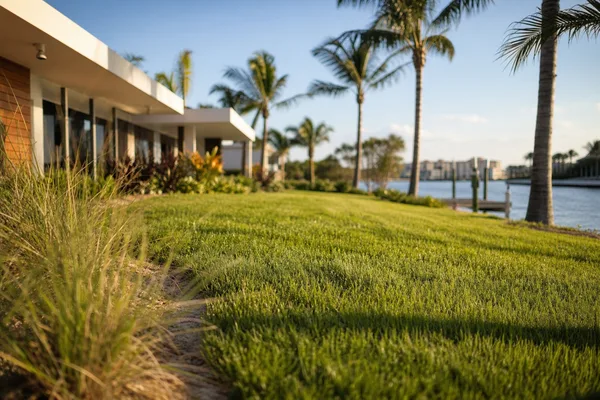
About hydroseeding in St. Petersburg
St. Petersburg sits on a peninsula with predominantly sandy coastal soils and high salt exposure throughout the bay-facing portions of the city. Hydroseed mixes here typically lean on salt-tolerant Bermuda cultivars and seashore paspalum on properties within a quarter-mile of saltwater. Watering windows are tight due to municipal restrictions tied to Pinellas County's water supply.
Local soil and climate
St. Petersburg occupies a narrow peninsula bounded by Tampa Bay to the east, the Gulf of Mexico to the west, and Boca Ciega Bay to the south. Soils across the city are predominantly fine sandy coastal — fast-draining, low natural fertility, and increasingly salt-influenced as you approach any of the surrounding waterways. The combination of coastal sand and salt exposure is the single most important factor in St. Petersburg hydroseed work: it dictates species selection, application timing, and aftercare planning.
Climate is humid subtropical with mild winters and hot, humid summers — the urban heat island effect can push downtown summer temperatures several degrees above surrounding areas. Annual rainfall averages around 50 inches, with the bulk falling June through September in characteristic afternoon thunderstorm patterns. The peninsula’s exposure means tropical weather events from either the Gulf or Atlantic can affect work; September and October are the most monitored months for tropical activity.
Salt-tolerant species selection
The salt exposure across St. Petersburg makes species selection more constrained than in most of Florida:
- Salt-tolerant Bermuda cultivars — varieties like Tifway 419 and certain TifGreen selections handle Gulf-coast salt spray better than common Bermuda. The standard residential choice for non-direct-waterfront properties.
- Seashore paspalum — the gold standard for true waterfront properties with regular saltwater exposure. Tolerates brackish irrigation if needed and survives where most species would brown out. Less common from seed than from sod, but specialty hydroseed contractors do offer paspalum blends.
- St. Augustine (sod only) — the dominant species for shaded properties in St. Pete. Not typically hydroseeded because the seed is rare and expensive.
For properties more than half a mile inland from any waterway, standard Bermuda blends work fine. Within a quarter mile of saltwater, contractors will lean on salt-tolerant cultivars; within 100 feet, seashore paspalum or salt-tolerant zoysia become the practical options.
Common project profiles in St. Pete
- Historic neighborhood renovations. Northeast St. Pete, Old Northeast, Old Southeast — established neighborhoods with mature trees and renovating lawns. Mixed sun/shade conditions complicate species selection.
- New construction along the Gulf beaches. Treasure Island, Madeira Beach, and St. Pete Beach — small lots, intense salt exposure, frequent storm impacts.
- Mid-century modern restorations. South St. Pete (Pink Streets, Snell Isle, Coffee Pot Bayou) — established homes undergoing renovation with lawn replacement.
- Commercial corridor work. Central Avenue and 4th Street commercial properties, plus the Pinellas Park industrial corridor.
Water restrictions and Pinellas considerations
St. Petersburg falls within the Southwest Florida Water Management District (SWFWMD or “Swiftmud”) and Pinellas County’s specific water-use restrictions. The combined effect is one of the most restrictive watering environments in Florida:
- One day per week watering for established lawns (most restrictive of the major Florida WMDs)
- Hours-of-day restrictions — typically before 10:00 AM and after 4:00 PM
- 30–60 day temporary exemption for newly established lawns — usually granted with documentation
- Pinellas County water shortage declarations can trigger additional restrictions during drought conditions
The tight watering schedule makes the hydroseed establishment window challenging — newly seeded lawns need 2–4 cycles per day during germination, which exceeds the normal schedule. Contractors will help register for temporary exemptions. The restrictive maintenance schedule also makes drought-tolerant species (Bermuda, Bahia for inland properties) more attractive than higher-water-need alternatives.
Coastal scheduling and tropical weather
St. Petersburg’s location makes it more vulnerable to tropical impacts than inland Florida cities:
- Hurricane season: monitor National Hurricane Center 7-day forecasts before any application August through October
- Storm surge zones: properties in evacuation zones A and B may face salt-water inundation during major storms — establishment work in early hurricane season carries elevated re-application risk
- Best application windows: late March through May (before peak hurricane season) and mid-October through early November (after peak season tapers)
Request a St. Petersburg-area quote
For a St. Petersburg hydroseed quote with salt-exposure-appropriate species selection, Pinellas County water-restriction planning, and coastal-storm-aware scheduling, request a free estimate.
Nearby areas served
- Pinellas Park
- Largo
- Seminole
- Gulfport
- Treasure Island