Revegetation & Land Reclamation
Re-establishing native grasses and ground cover on storm-damaged, construction-cleared, or neglected acreage across Florida.
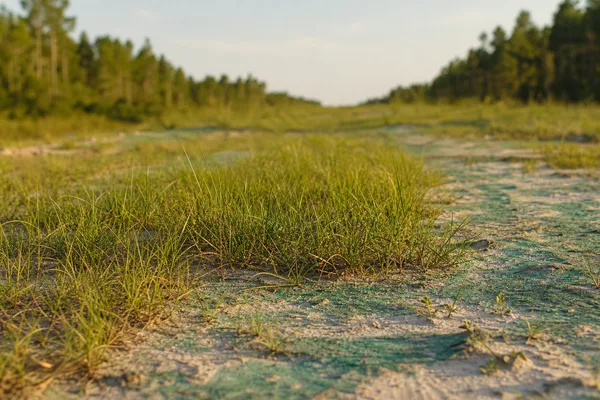
Native and adapted Florida seed mixes
Mining, utility ROW, and post-wildfire site experience
Pre-application soil amendments for poor soil conditions
Multi-pass applications for difficult sites
Revegetation work covers the projects that aren’t lawns — large acreage where the goal is to restore some ground cover (any ground cover) on disturbed land. The most common drivers are phosphate-mining reclamation in Polk and Hillsborough counties, utility right-of-way clearing, post-wildfire restoration in interior pine flatwoods, and storm damage on coastal dune systems. The applications look different from residential hydroseed, but the underlying technique is the same.
Common project profiles
- Phosphate mining reclamation. Polk and Hillsborough county phosphate operators are required to revegetate post-mining lands under FDEP-approved reclamation plans. Seed selections typically lean on bahia, native warm-season grasses, and pioneer species that tolerate disturbed, low-fertility soils.
- Utility right-of-way restoration. Power-line, gas-line, and water-utility easements where clearing exposed bare soil. The goal is permanent stabilization without trees or large shrubs that interfere with line maintenance.
- Post-wildfire restoration. Pine flatwoods and scrub habitat in interior Florida after the increasingly common dry-season burns. Native blends help restore ecological function while preventing topsoil erosion during the next rainy season.
- Storm-damaged dune systems. Sea oats, dune sunflower, and other coastal natives sprayed onto dunes graded back into shape after hurricane damage. Strict permitting through FDEP Coastal Construction Control Line review.
- Pasture conversion and rural acreage. Cattle pastures, deer leases, and horse properties converting from existing rough vegetation to managed warm-season grass.
Native vs adapted seed mixes
Selection depends on the regulatory framework and the desired end state:
- Pure native mixes — required for reclamation projects in state-significant habitats or near conservation lands. Common species: wiregrass, lopsided indiangrass, broomsedge, little bluestem, partridge pea. Slower to establish than commercial blends but ecologically correct.
- Adapted naturalized mixes — bahia (technically introduced from Argentina, but treated as naturalized in Florida law for most purposes) and native grass blends. Faster establishment, slightly less ecological purity, accepted on most utility ROW and reclamation projects outside conservation easements.
- Pasture mixes — improved bahia varieties (Argentine, Pensacola, Tifton 9) and bermuda blends optimized for grazing tolerance. Best for cattle and equine pasture conversion.
For sites near conservation areas, springs, or designated wildlife corridors, work with a contractor familiar with the local Water Management District requirements before specifying the mix.
When soil amendments matter
Revegetation sites often have soils that wouldn’t pass a residential lawn pH test. Common situations:
- Mining reclamation sites with overburden material that’s high in iron or has unusual mineral profiles. Soil testing and pH correction (typically lime, sometimes sulfur for alkaline soils) often added to the slurry pass.
- Burned-over pine flatwoods with ash-elevated pH that benefits from a delayed planting until the soil chemistry stabilizes, or from gypsum amendment to lower pH faster.
- Coastal dune sites with salt-loaded sand that benefits from organic amendment or compost incorporation before the hydroseed pass.
- Severely compacted sites (old construction staging areas, equipment yards) that need mechanical decompaction — ripping or chiseling — before hydroseed can succeed.
A reputable contractor will do a soil test for projects over 5 acres and either include amendment cost in the quote or recommend separate work before the seed pass.
Multi-pass scheduling
Difficult revegetation sites — steep slopes, poor soil, problematic weather windows — sometimes require multiple application passes:
- Pass 1: Stabilization mulch. A heavy hydromulch application without seed (or with a nurse-crop annual) to lock down the surface while permanent species germinate.
- Pass 2: Permanent species. The native or naturalized blend goes down at a reduced rate because the mulch from pass 1 is already in place.
- Pass 3 (if needed): Touch-up. Bare patches identified at the 30-day inspection get a follow-up spray with the same blend.
For ecologically-sensitive sites, the contractor’s multi-pass plan should be part of the bid and the inspection records.
Monitoring and follow-up
Reclamation and revegetation projects almost always have a monitoring requirement — typically 1, 3, or 5 years post-establishment, with documented vegetative cover percentages at defined inspection points. A contractor experienced with revegetation work will:
- Maintain photo points (same camera angle, every 6 months) for the duration of the monitoring window.
- File the required percent-cover reports with the permitting agency.
- Re-seed areas that don’t meet the cover threshold under warranty.
For monitoring requirements over one year, confirm the contractor’s continuity in writing before signing.
Quote your revegetation project
Send acreage, current ground condition, soil notes if you have them, the target end state (regulatory or ecological), and any permit documents. Request a free estimate and we’ll match you with a Florida pro who specializes in revegetation work.